



- Up to 4K
Resolution
- 14 ratios
Aspect ratios
- Up to 14
Reference images
- ~$0.045/image
Starting cost
About Nano Banana 2
Nano Banana 2 is Google's latest Flash-tier image generation model, built on the Gemini 3.1 Flash architecture. Released in early 2026, it sits in a position that most teams will find genuinely useful: it delivers roughly 95% of Nano Banana Pro's output quality at about half the cost and four times the speed, making it the practical default for high-volume commercial creative work. The two headline improvements over the original Nano Banana are cleaner text rendering (headlines, labels, and in-image copy come through legibly) and web-grounded generation, where the model queries Google Search to anchor its output to real-world references before drawing. That second capability matters more than it sounds: instead of hallucinating what a specific product, building, or brand identity looks like, Nano Banana 2 can pull accurate visual references and incorporate them into the generated image.
For business creative teams, the practical implication is a dramatic reduction in iteration cycles. Marketing teams that previously needed three or four generation passes to get a usable visual can often ship after one or two, because the text doesn't garble and the brand references actually look correct. The model accepts up to 14 reference images (products, characters, brand assets, style references) and synthesises them into a single cohesive output, which is the mechanism behind on-brand content at scale. It supports inpainting, outpainting, and conversational multi-turn editing, so teams can refine an image in the same session without re-prompting from scratch. The pricing structure (approximately $0.067 per image at 1024px via API, with a 50% batch discount) makes it viable to generate dozens of campaign variations without budget anxiety. On Arena.ai's text-to-image leaderboard, Nano Banana 2 leads with an Elo of 1,280, ahead of both GPT Image 1.5 and Nano Banana Pro, establishing it as the current benchmark for AI image generation quality at this price point.
Prompts behind these Nano Banana 2 images
Actual prompts from Nano Banana 2 renders by the Masonry community. Copy any prompt, then remix it into your own creation.
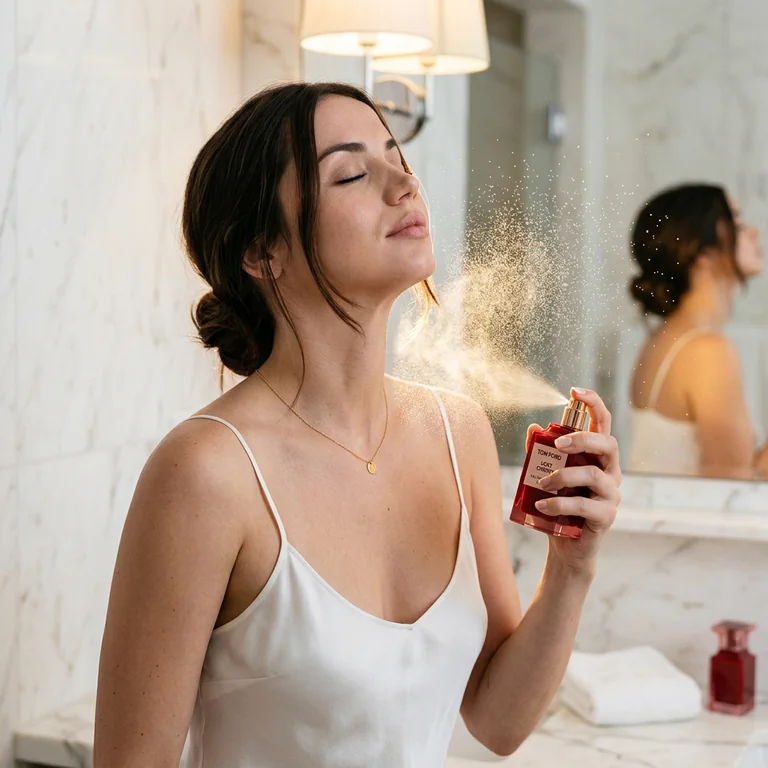
Ana de Armas, 37, in a minimalist white marble bathroom spraying Tom Ford Lost Cherry eau de parfum. The cherry-red faceted glass bottle is held in her right hand at chest height — the gold "TOM FORD" lettering on the front label clearly legible, her index finger pressing the gold-tone atomizer. The moment is frozen mid-spray: a fine cone-shaped mist cloud suspended between the nozzle and her neck, each micro-droplet individually visible and backlit, creating a golden halo of suspended particles. Her eyes are closed, chin lifted 15 degrees, full lips slightly parted with a micro-expression of quiet pleasure. Her dark brown hair is in a loose low bun with two signature face-framing pieces falling along her jaw. She wears a white silk camisole with thin spaghetti straps draping naturally from her collarbones. Her neck and décolletage: visible collarbone definition with natural shadowing in the hollow, subtle neck tendons under the skin as her head tilts, a thin 14k gold chain necklace with a small disc pendant resting in the suprasternal notch. Her hand gripping the bottle: detailed nail beds with a natural clear coat, cuticles slightly dry, the fingertip pressing the atomizer showing pressure-whitening where the pad compresses. A single warm vanity light above the mirror from directly overhead — the mist cloud catches this light and scatters it into golden sparkle. White Calacatta marble countertop beneath shows the bottle's red reflection as a soft colored shadow. Background: a frameless mirror reflecting the back of her head slightly out of focus, a white hand towel folded on the counter edge. Shot on Hasselblad X2D 100C with 90mm f/2.5 XCD lens, extremely shallow depth of field — her face and the mist cloud tack-sharp, everything else dissolving into creamy white. Luxury editorial color grade with neutral whites, the red bottle as the sole saturated accent. 4:5 aspect ratio.

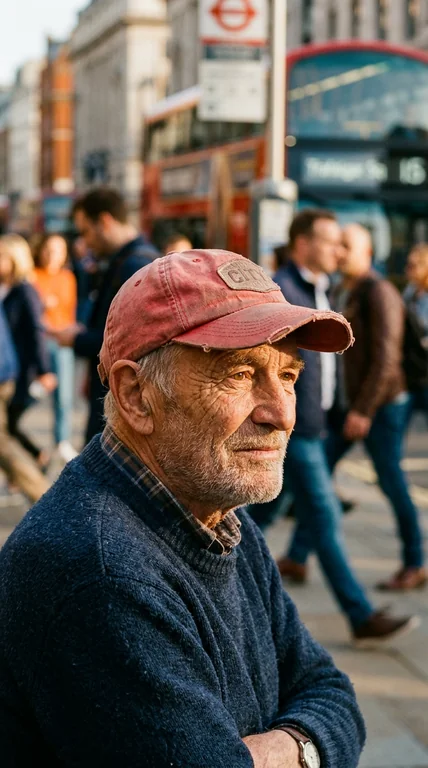
Ultra-documentary street photography, warm daylight, intimate observational framing, visible film grain, shallow depth of field, 85mm lens look. Close-up of an elderly man wearing a faded red cap, deep facial lines lit by soft sun, street movement dissolving into background blur.

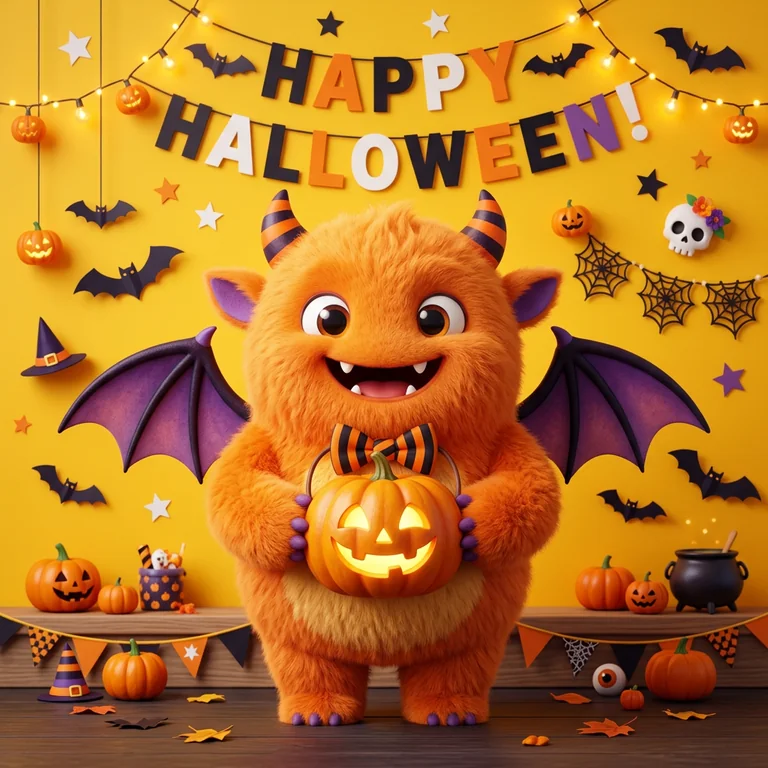
Adorable 3D-rendered orange monster with bat wings and Halloween decorations, holding a pumpkin, set against a bright yellow background.


An illustration of a young artist drawing, capturing her intense focus and delicate pencil work in a minimalist setting.

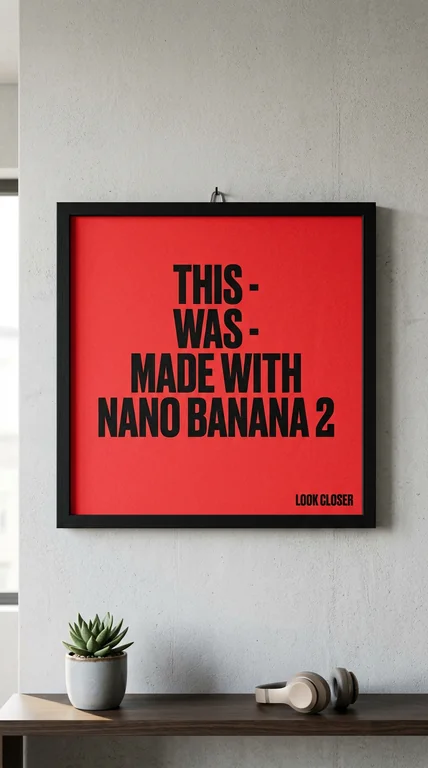
Minimalist red poster with bold black text reading 'This - was - made with Nano Banana 2' and 'LOOK CLOSER' in the corner, framed in black.

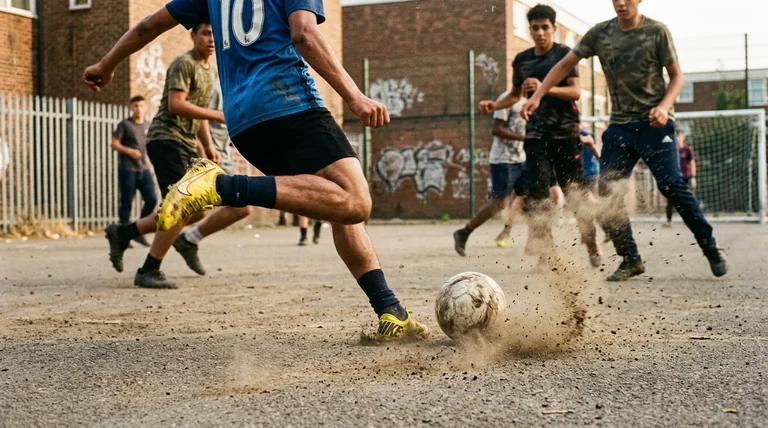
Ultra-documentary street photography, warm daylight, low-angle framing, natural grain, 35mm lens look. Teenagers playing football, focus on yellow football boots striking the ball, motion blur and dust creating raw energy.



Why teams choose Nano Banana 2
Nano Banana 2 is the right choice for creative teams generating at volume, like marketing departments, content studios, and DTC brands that need a steady stream of polished, on-brand visuals without paying Pro prices for every iteration. It outperforms Nano Banana Pro on Arena.ai's leaderboard (Elo 1,280 vs 1,238), generates four times faster, and costs roughly half as much per image, which makes it the default recommendation for most new image generation work. Choose Nano Banana Pro instead only when you need the absolute maximum fidelity on a client-facing final deliverable where text layout and compositional precision are paramount. If you're debating Nano Banana 2 versus Imagen 4, the key distinction is workflow: Nano Banana 2's web grounding and multi-reference mixing suit brand and marketing use cases; Imagen 4 skews toward standalone photorealistic imagery.
What Nano Banana 2 can do
The capabilities that set Nano Banana 2 apart and earn its place in a brief
Enhanced Text Rendering
Renders headlines, labels, and on-image copy with precision across multiple languages. Signage, packaging, and social overlays come out clean and legible without a manual post-production pass.
Web-Grounded Generation
Queries Google Image Search before generating, anchoring output to real-world visual references. Accurate depictions of real products, places, and brand identities rather than hallucinated approximations.
Four Times Faster Than Pro
Generates images roughly four times faster than Nano Banana Pro at approximately half the cost per image, around $0.067 per 1024px image, with a 50% batch discount available via API.
Multi-Reference Style Mixing
Accepts up to 14 reference images for blending, style transfer, inpainting, and outpainting. Feed brand assets, product photos, and style references together to produce on-brand outputs at scale.
Conversational Multi-Turn Editing
Supports multi-turn image editing in a single session. Ask for changes in natural language without re-prompting from scratch, keeping the creative loop fast and iterative.
SynthID Provenance
Every output carries Google's invisible SynthID watermark embedded in the pixel data, surviving cropping, resizing, and most edits, giving brand and agency teams a traceable audit trail for AI-generated assets.
Where teams reach for Nano Banana 2
- Social media content with accurate text overlays, like posts, stories, and ads where the copy is baked into the image
- High-volume campaign variation generation that produces dozens of on-brand asset variants per brief at batch pricing
- Product mockups and lifestyle shots for e-commerce and DTC brands
- Packaging and label design concepts with legible on-product text
- Rapid concept exploration and client mood boards before committing to a shoot
- Brand-consistent content at scale using multi-reference style mixing with logo, product, and palette inputs
- Marketing localization that generates text-overlay visuals in multiple languages in one pass
- Event and promotional creative with tight turnarounds and text-heavy layouts
What sets Nano Banana 2 apart
The strengths teams reach for, shown on real renders.
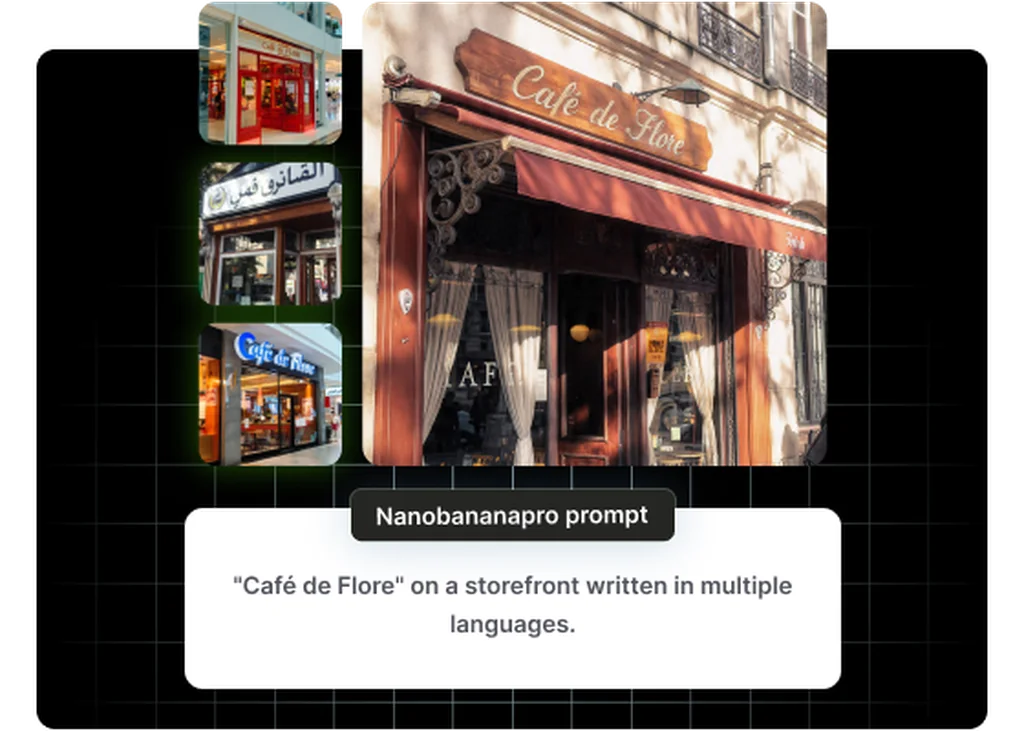
Native Text Rendering That Actually Works
Gemini 3.1 Flash Image renders headlines, labels, and UI copy with precision, with no garbled characters or broken kerning. Ship on-brand social posts, packaging mockups, and ad creative without a post-production text pass.
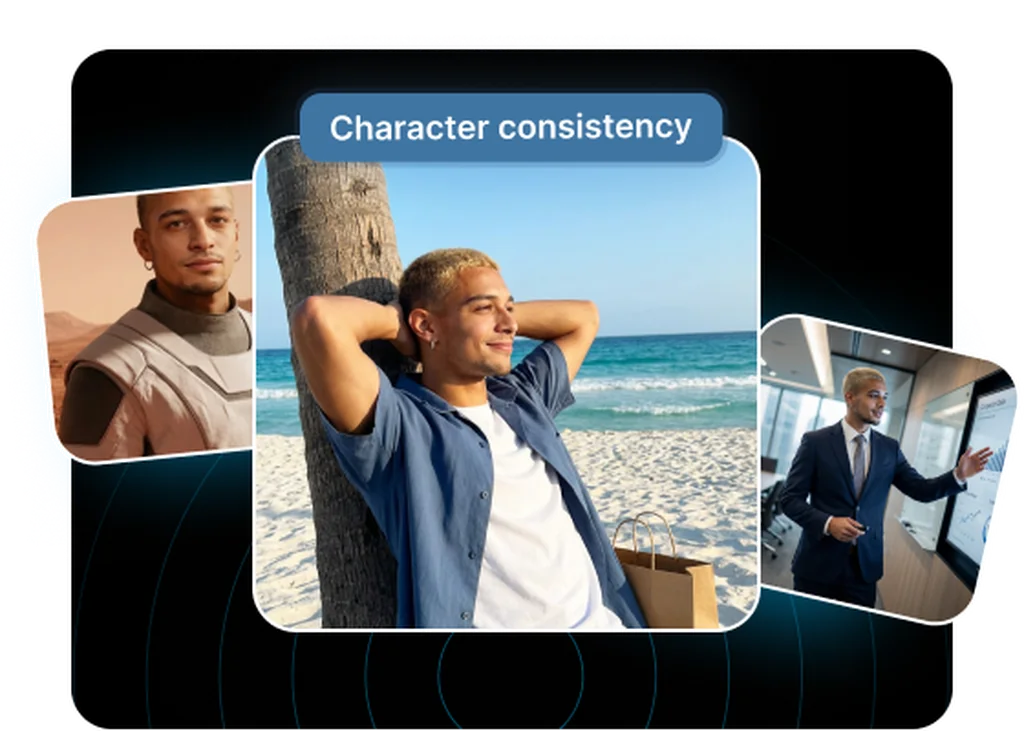
Multi-Reference Style Mixing
Feed up to 14 reference images (products, characters, brand assets) and the model synthesises them into a single cohesive visual. Ideal for on-brand content at volume without starting from scratch each time.
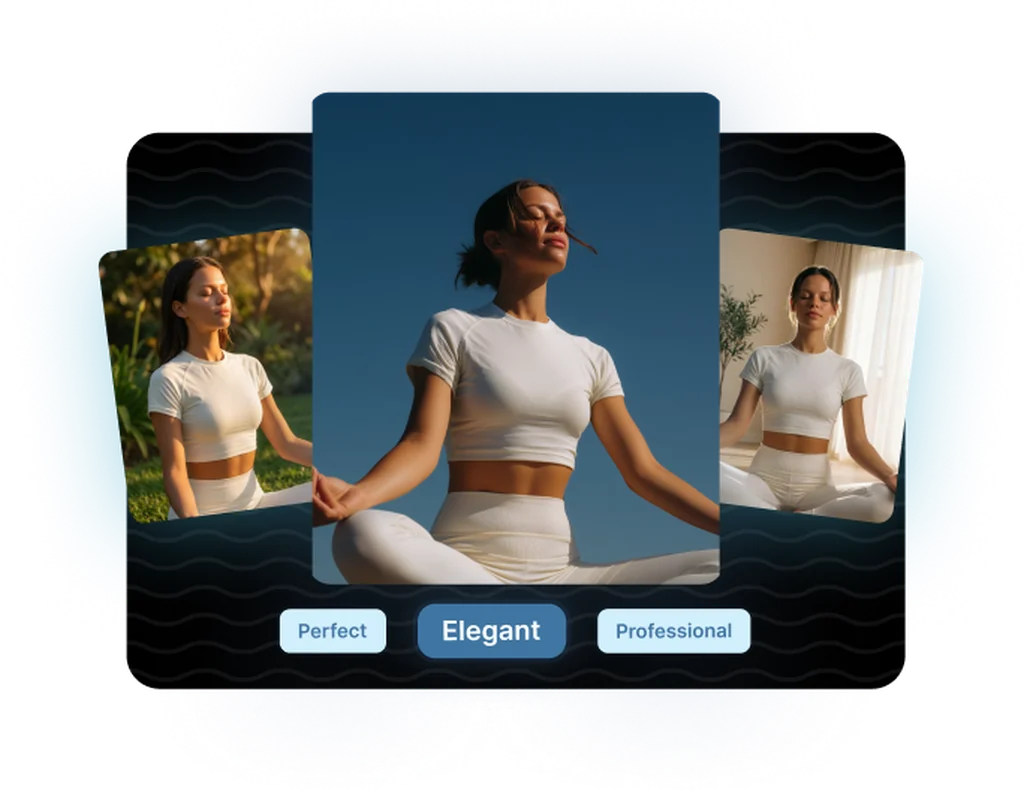
Web-Grounded Accuracy at Speed
Google Search grounding keeps depictions of real products, places, and styles factually accurate, so you spend less time art-directing and more time shipping. All at roughly half the cost of the Pro tier.
Frequently asked questions
What teams need to know about creating with Nano Banana 2 in Masonry
How does Nano Banana 2 compare to Nano Banana Pro?
Nano Banana 2 generates roughly four times faster and costs about half as much per image (~$0.067 vs ~$0.134 at 1024px). On Arena.ai's text-to-image leaderboard it actually outscores Pro (Elo 1,280 vs 1,238). For most commercial creative work (social content, campaign variations, product mockups), Nano Banana 2 is the better default. Reserve Pro for the most demanding client-facing finals where every compositional detail must be exactly right.
What output resolutions does Nano Banana 2 support?
Nano Banana 2 supports output up to 4K resolution with 14 aspect ratios. Via the API, the default is 1024px; higher resolutions are available at higher per-image cost. For social and digital use cases, 1024px is typically sufficient, while print or large-format work benefits from the upper resolution tiers.
Can Nano Banana 2 outputs be used commercially?
Yes. Images generated via the Gemini API are owned by the user under Google's standard API terms of service and can be used for commercial purposes including advertising, marketing materials, product imagery, and client deliverables. Always confirm the current terms of service for your specific use case, as Google may update licensing terms.
Does Nano Banana 2 add a visible watermark to images?
No visible watermark is applied to images generated via the API. All outputs carry Google's invisible SynthID watermark embedded in the pixel data. It survives common edits like cropping, resizing, and screenshots and can be detected by SynthID-enabled tools, but it does not appear visually on the image.
How does web-grounded generation actually work?
When grounding is enabled, Nano Banana 2 queries Google Image Search before generating, retrieving real-world visual references for specific objects, places, or products mentioned in the prompt. The model then uses those references to produce a more accurate depiction rather than relying solely on training data. This is particularly useful for marketing visuals featuring real brand products, landmarks, or specific visual styles.
How many reference images can I provide, and what can I do with them?
You can supply up to 14 reference images per generation request. These can be used for style transfer (match the aesthetic of a reference), image mixing (blend elements from multiple inputs), inpainting (fill a masked region to match the surrounding image), and outpainting (extend an existing image beyond its edges). This is the primary workflow for producing on-brand content using existing brand assets as inputs.
Does Nano Banana 2 support multi-turn conversational editing?
Yes. The model supports multi-turn image editing, so you can request changes in natural language within the same session without starting a new generation from scratch. Ask it to adjust the background, change a color, add a text element, or refine a composition, and the edits layer onto the previous output. This keeps iteration fast and contextually coherent.
How does Nano Banana 2 handle text rendering compared to earlier models?
Text rendering is one of the most significant improvements in Nano Banana 2. Headlines, labels, and short phrases render cleanly and legibly across multiple languages. The main limitation is small text at lower resolutions and very long text passages. For body-copy blocks or dense typographic layouts, additional passes or post-production may still be needed. For social overlays, packaging labels, and signage, the results are markedly better than earlier Flash-tier models.
What languages does Nano Banana 2 support for in-image text?
The model handles multilingual in-image text, including Latin-script languages (English, French, German, Spanish, Portuguese, and others), as well as non-Latin scripts. This makes it well suited to marketing localization workflows where teams need to generate the same visual concept with on-image copy in multiple languages.
What is the batch pricing and how does it affect high-volume workflows?
The Gemini API offers a flat 50% batch discount, reducing the per-image cost at 1024px from approximately $0.067 to $0.034. For teams generating hundreds or thousands of images per month (campaign variation testing, product catalog imagery, localized marketing assets), the batch pricing makes Nano Banana 2 significantly more cost-effective than any comparable model at this quality level.
How does Nano Banana 2 compare to Imagen 4 for marketing creative?
The two models serve complementary needs. Nano Banana 2 excels at brand-grounded, text-overlay, and high-volume workflows, where its web-grounding, reference image mixing, and conversational editing make it the more flexible creative tool. Imagen 4 is optimized for standalone photorealistic imagery (product heroes, lifestyle photography, campaign shots), where reference mixing and web grounding are less important than raw photorealistic fidelity. Many teams use both depending on the brief.
Does Nano Banana 2 support image-to-image generation or only text-to-image?
Nano Banana 2 supports both. It accepts image inputs alongside text prompts, enabling image-to-image workflows, style transfer, inpainting (filling masked regions of an existing image), and outpainting (extending the canvas). The multi-reference capability (up to 14 input images) goes substantially further than simple image-to-image, allowing complex multi-source synthesis.
What content is off-limits for Nano Banana 2?
Like all Google image generation models, Nano Banana 2 follows Google's responsible AI policies and content safety guidelines. It will decline requests for imagery depicting explicit violence, adult content, real identifiable individuals in misleading contexts, and other policy-restricted categories. For commercial brand and marketing content, these restrictions are rarely a practical constraint.
What is Nano Banana 2?
Nano Banana 2 is an AI image generation model from Google, available inside Masonry, the AI creative agent teams use to produce marketing, product, and brand images.
How does my team use Nano Banana 2 in Masonry?
Open a Masonry canvas, pick Nano Banana 2 from the model selector, and describe the image you need: a product shot, an ad creative, a social post. Masonry generates it, then you refine, edit, and combine Nano Banana 2 with other models in one workspace.
Is Nano Banana 2 free to try?
Yes, you can start generating images with Nano Banana 2 on Masonry's free tier, then scale up with higher limits and priority processing as your team grows.
How do I write good prompts for Nano Banana 2?
Nano Banana 2's strength is fast, legible text and high-volume output. Put the exact words in quotes, keep the layout simple, and lean on it to generate many on-brand variations cheaply. See the prompt gallery on this page for real Nano Banana 2 prompts you can copy and adapt.
Who makes Nano Banana 2?
Nano Banana 2 is built by Google. Inside Masonry it runs alongside 50+ image and video models, so your team can pick the right one for each brief without switching tools.
Can I see examples made with Nano Banana 2?
Yes, the prompt gallery on this page shows real images teams have generated with Nano Banana 2 in Masonry, each paired with the exact prompt you can copy and adapt for your own brand.
Start creating with Nano Banana 2
Generate, edit, and compare across 50+ models in one workspace.
Guides for Nano Banana 2
Prompt walkthroughs and examples from the Masonry blog
Explore more AI models
Compare Nano Banana 2 with other models teams run in Masonry